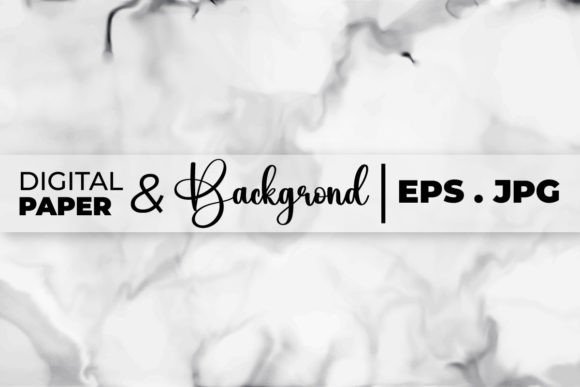
Abstract Black Marble Stone Background: A Versatile Asset for Modern Design Projects
In the realm of digital and print design, texture plays a pivotal role in establishing mood, depth, and perceived value. Among the myriad of textural options available to creators, the Abstract Black Marble Stone Background has emerged as a staple for professionals seeking a blend of sophistication and versatility. Unlike traditional photographic marble, which can sometimes feel rigid or overly literal, abstract interpretations offer a more fluid, artistic canvas that adapts seamlessly to various creative needs. This article explores the distinct characteristics of this design resource, evaluates its practical applications across different media, and helps you determine whether it is the right fit for your next project compared to other stylistic alternatives.
Understanding the Distinct Appeal of Abstract Black Marble
The primary distinction between an abstract black marble background and standard stone textures lies in its interpretive nature. While a high-resolution photograph of marble captures the exact geological formations of natural stone, an abstract version often exaggerates veins, contrasts, and flow patterns to create a more dramatic visual impact. The deep, rich blacks serve as a powerful negative space, allowing foreground elements—such as typography, logos, or product images—to pop with exceptional clarity.
This style is particularly effective because it bridges the gap between organic warmth and modern minimalism. The irregular white or gold veining typically found in these designs breaks up the monotony of solid black without introducing the visual noise associated with busier patterns. For designers working on luxury branding, editorial layouts, or high-end packaging, this balance is crucial. It conveys elegance without appearing ostentatious, making it a safe yet striking choice for a wide demographic of adult audiences aged 20 to 50 who appreciate refined aesthetics.
Comparing Formats: Raster JPEG vs. Vector EPS
When acquiring digital assets like an Abstract Black Marble Stone Background, understanding the technical differences between file formats is essential for maximizing utility. Most comprehensive design packs include both high-quality JPEGs and vector EPS files, each serving distinct purposes in the workflow.
- 300 DPI JPG: This raster format is ideal for immediate use in applications that do not support vector editing. With a resolution of 300 dots per inch, it ensures crisp printing for physical materials. It is the go-to choice for users working in Canva, Microsoft Word, or PowerPoint, where drag-and-drop functionality is prioritized over deep customization. However, raster images are resolution-dependent; scaling them beyond their original dimensions can result in pixelation.
- Illustrator EPS CC: The vector format offers unparalleled flexibility. Because it is mathematically defined rather than pixel-based, it can be scaled infinitely without loss of quality. This is critical for large-format prints such as billboards or trade show banners. Furthermore, vector files allow designers to edit individual elements, such as changing the color of the veins or adjusting the opacity of the stone texture, directly within Adobe Illustrator. This level of control is indispensable for brand consistency and custom adaptations.
Choosing between these formats depends largely on your technical proficiency and the specific requirements of your project. If you need a quick, ready-to-use background for a social media post, the JPEG is sufficient. If you are designing a scalable logo backdrop or a complex print layout, the EPS file provides the necessary professional leverage.
Practical Applications Across Media
The versatility of the Abstract Black Marble Stone Background extends far beyond simple desktop wallpapers. Its adaptability makes it a valuable resource for various commercial and personal projects. Below are several key areas where this background excels:
Book Covers and KDP Interiors
In the self-publishing world, particularly on platforms like Amazon KDP, first impressions are vital. A black marble background provides a sophisticated backdrop for titles in genres such as thriller, romance, business, and poetry. The dark tone allows gold or silver foil-effect typography to stand out, mimicking the look of expensive hardcover editions. Additionally, when used in KDP interiors, subtle marble textures can add a premium feel to journals and planners without distracting from the writing space.
Digital Marketing and Social Media
Social media feeds are crowded, and standing out requires strong visual hierarchy. Using an abstract black marble background for Instagram posts, Pinterest pins, or LinkedIn banners can elevate the perceived quality of your content. It serves as an excellent neutral base for quoting graphics, product showcases, or announcement cards. The high contrast ensures that text remains readable, even on small mobile screens, which is crucial for engagement rates.
Mobile Covers and Stickers
For merchandise designers, this texture translates well to physical products. Mobile phone covers benefit from the sleek, modern look of black marble, which also has the practical advantage of hiding minor scratches and fingerprints better than lighter colors. Similarly, die-cut stickers featuring marble patterns are popular among consumers looking to personalize laptops, water bottles, and notebooks. The abstract nature of the design ensures that each sticker looks unique, adding to its appeal.
Evaluating Tradeoffs and Limitations
While the Abstract Black Marble Stone Background is a powerful tool, it is not a universal solution. Designers must consider certain tradeoffs before integrating it into their work. One significant limitation is its association with specific trends. While marble has enjoyed longevity in design, it can sometimes be perceived as ubiquitous or "overused" if not applied creatively. To mitigate this, consider combining the marble texture with other elements, such as geometric shapes, bold typography, or complementary color accents, to create a more unique composition.
Another consideration is readability. Although black provides high contrast for white text, placing dark-colored text directly over the darker portions of the marble can render it illegible. Designers must carefully manage text placement, possibly using overlays, shadows, or bounding boxes to ensure accessibility and clarity. Additionally, while the vector EPS file offers editability, it requires a steeper learning curve and specialized software like Adobe Illustrator. Users unfamiliar with vector graphics may find the JPEG format more accessible, albeit less flexible.
When to Choose This Background Over Alternatives
Deciding whether to use an Abstract Black Marble Stone Background depends on the message you wish to convey. If your goal is to project luxury, stability, and modern elegance, this texture is an excellent choice. It works particularly well for brands in the beauty, legal, financial, and lifestyle sectors. However, if your project aims for a playful, rustic, or ultra-minimalist aesthetic, other textures such as watercolor washes, wood grains, or solid pastels might be more appropriate.
Compared to solid black backgrounds, marble adds depth and interest without overwhelming the viewer. Compared to photographic backgrounds, it offers a cleaner, more controlled look that integrates better with graphic elements. Ultimately, the decision should hinge on the specific emotional response you want to evoke and the technical constraints of your delivery platform.
Final Thoughts on Integrating Marble Textures
The Abstract Black Marble Stone Background is more than just a decorative element; it is a functional design tool that enhances visual communication through contrast and texture. By understanding the differences between raster and vector formats, recognizing its best-use cases, and acknowledging its limitations, you can make informed decisions that elevate your creative output. Whether you are designing a book cover, a social media campaign, or a physical product, this background offers a timeless foundation that supports a wide range of artistic visions. For those seeking to expand their design toolkit, exploring variations of this theme—such as different vein colors or density levels—can provide fresh perspectives while maintaining the core benefits of this classic aesthetic.