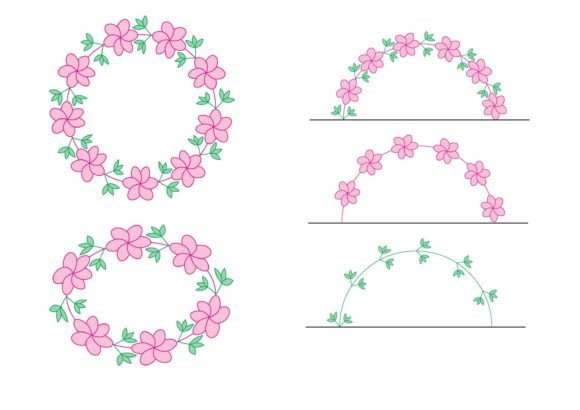
Mastering the Leaf Flower Brush for Modern Digital Design
In the evolving landscape of digital illustration and graphic design, the demand for organic, nature-inspired elements has never been higher. Designers, marketers, and content creators are increasingly moving away from sterile, geometric minimalism toward aesthetics that feel handcrafted, warm, and authentic. At the heart of this shift is the strategic use of specialized tools like the Leaf Flower Brush. This digital asset is not merely a decorative add-on; it is a versatile instrument that bridges the gap between traditional botanical artistry and modern workflow efficiency.
The relevance of such tools extends far beyond simple decoration. In an era where brand identity must communicate trust, sustainability, and creativity, incorporating natural motifs through efficient digital means allows professionals to meet tight deadlines without sacrificing artistic integrity. Whether you are designing a logo for an eco-friendly startup, creating a page border for a wedding invitation, or crafting a unique photo frame for social media content, understanding how to leverage these brushes can significantly elevate your output.
The Evolution of Organic Design in Digital Workflows
Historically, incorporating detailed floral and foliage elements into commercial design required extensive manual illustration skills or the purchase of expensive, rigid stock vectors. The process was time-consuming and often resulted in repetitive patterns that lacked soul. Today, the integration of dynamic brushes into software like Adobe Photoshop, Procreate, and Affinity Designer has revolutionized this process. The Leaf Flower Brush represents a maturation in digital tooling, offering users the ability to generate complex, varied organic shapes with minimal effort.
This evolution aligns with broader market preferences. Consumers are showing a marked preference for brands that appear approachable and human-centric. A perfectly symmetrical, computer-generated leaf often feels cold. In contrast, a leaf created with a brush that mimics the pressure sensitivity and texture of real paint or ink conveys craftsmanship. This subtle distinction is crucial for entrepreneurs and freelancers who need to differentiate their visual identity in saturated markets. By using tools that simulate natural media, creators can produce work that resonates emotionally with their audience, fostering a deeper connection than standard clip-art ever could.
Versatility Across Creative Applications
One of the most compelling aspects of acquiring a comprehensive brush package is its adaptability. When you obtain different brushes within a set, you are not limited to a single style or application. The utility of these tools spans various creative disciplines, making them a valuable investment for a wide range of professionals.
- Leaf Monograms: Personalized branding is a significant trend in luxury goods and boutique services. A monogram wrapped in delicate foliage creates an impression of elegance and exclusivity. Using specific leaf brushes allows designers to weave stems and petals around initials seamlessly, creating a cohesive emblem that feels bespoke rather than templated.
- Page Borders and Layouts: For educators, bloggers, and publishers, framing content effectively is essential for readability and engagement. A digital leaf border can guide the reader’s eye without overwhelming the text. Unlike static images, brush-based borders can be adjusted to fit any page size or aspect ratio, ensuring consistency across print and digital formats.
- Photo Frames and Social Media Assets: In the age of Instagram and Pinterest, visual presentation is paramount. Creating custom photo frames with organic edges helps influencers and marketers stand out. By layering different leaf textures, one can create depth and shadow, making the frame appear three-dimensional and integrated with the photograph.
- Logos and Brand Illustrations: Many modern businesses, particularly in the wellness, beauty, and food industries, rely on botanical imagery. A brush set provides the raw materials to construct unique logos that avoid the generic look of pre-made icons. You can combine strokes to form abstract flowers or realistic sprigs, tailoring the complexity to the brand’s voice.
Simplifying the Creative Process
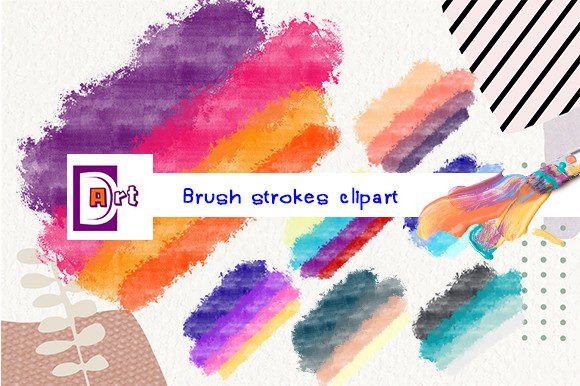
A common misconception among beginners is that using advanced digital brushes requires a steep learning curve. However, the design philosophy behind modern brush packs prioritizes user experience. Using a brush is very simple – just place the brush strokes and select the appropriate brush from the brush panel. This intuitive approach lowers the barrier to entry, allowing hobbyists and non-designers to achieve professional-looking results quickly.
The simplicity lies in the preset configurations. High-quality brush packs come with optimized settings for spacing, scattering, and angle jitter. This means that as you drag your cursor or stylus across the canvas, the software automatically varies the orientation and distribution of the leaves, preventing the "stamped" look that plagues amateur designs. For professionals, this efficiency translates to faster turnaround times. Instead of spending hours adjusting individual vector points, a designer can lay down a foundational shape with a few strokes and then refine it, focusing their energy on composition and color theory rather than tedious reconstruction.
Strategic Implementation for Business and Marketing
For business owners and marketers, the practical implications of using tools like the Leaf Flower Brush extend to cost-effectiveness and brand consistency. Outsourcing custom illustration for every campaign can be prohibitively expensive. By investing in a robust library of digital assets, companies can maintain an in-house capability for creating high-quality visuals. This autonomy allows for rapid iteration and A/B testing of marketing materials.
Moreover, the ability to create special backgrounds using these brushes adds a layer of sophistication to digital products. E-books, online courses, and presentation decks benefit from textured, organic backgrounds that reduce eye strain and increase perceived value. When a user downloads a guide framed by subtle, hand-painted foliage, the experience feels more curated and premium. This attention to detail can influence customer perception and loyalty, proving that small design choices have tangible business impacts.
Navigating the Selection of Quality Brushes
Not all digital brushes are created equal. When seeking to enhance your toolkit, it is essential to look for packages that offer variety and technical precision. A superior pack will include multiple variations of leaf shapes, sizes, and opacities. This diversity ensures that your compositions remain dynamic and interesting. Look for brushes that respond well to pressure sensitivity if you are using a tablet, as this feature allows for greater expressive control over line weight and transparency.
Additionally, consider the compatibility of the brushes with your preferred software. While many formats are universal, some are optimized specifically for Photoshop or Procreate. Ensuring that the tools you choose integrate seamlessly into your existing workflow prevents technical friction and allows you to focus on creativity. Reading reviews and examining sample outputs can help determine if a brush set meets the professional standards required for your specific projects.
Future-Proofing Your Creative Toolkit
As technology advances, the line between digital and traditional art continues to blur. Tools that emulate natural media are becoming increasingly sophisticated, incorporating features like wet-edge blending and paper texture interaction. By adopting these tools now, creators position themselves at the forefront of this convergence. The skills developed in mastering digital botanical brushes are transferable and scalable, applicable to everything from large-scale mural designs to intricate mobile app interfaces.
Furthermore, the trend toward sustainability in design is not just a thematic choice but a operational one. Digital tools reduce the need for physical materials during the conceptual phase, allowing for endless experimentation without waste. This aligns with the values of many modern consumers and businesses, reinforcing the brand message through the very method of creation.
In conclusion, the Leaf Flower Brush is more than a digital stamp; it is a catalyst for creative expression and efficiency. By understanding its applications in monograms, borders, frames, and logos, professionals can unlock new levels of productivity and aesthetic quality. As the demand for authentic, nature-inspired design grows, mastering these tools will remain a valuable asset for anyone looking to make a lasting visual impact. Embrace the simplicity and versatility of these brushes, and let your creativity flourish with the ease of a single stroke.