Watercolor Portrait Effect Photoshop Act
Transforming a standard digital photograph into a piece of art that mimics the fluid, organic nature of traditional painting is a skill that often takes years to master. However, modern design tools have democratized this process, allowing creators to achieve professional-grade results in minutes. The Watercolor Portrait Effect Photoshop Act represents a significant leap forward for photographers and designers who wish to add depth, texture, and emotional resonance to their visual content without spending hours on manual brushwork. This tool is not merely a filter; it is a comprehensive workflow solution designed to enhance images, making them unique and visually striking while maintaining the integrity of the original subject.
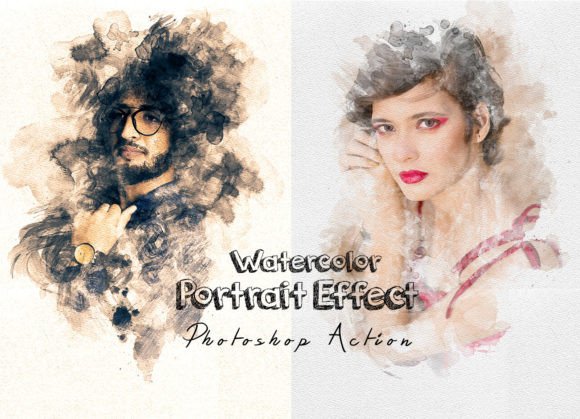
For professionals ranging from boutique marketing agencies to independent hobbyists, the appeal lies in the balance between automation and customization. When you apply this action, it does more than overlay a static texture. It interacts with the underlying pixel data to create a look that feels hand-painted. The result is an image that captures the softness of water diffusion and the granular texture of cold-press paper, offering a sophisticated aesthetic that stands out in a sea of overly sharpened, high-contrast digital photos.
Understanding the Visual Appeal and Versatility
The core strength of the Watercolor Portrait Effect Photoshop Action is its ability to adapt to various artistic visions. Unlike rigid presets that force a single style onto every image, this set includes ten different color options. This variety ensures that whether you are aiming for a warm, nostalgic sepia tone or a cool, contemporary pastel palette, there is a preset that aligns with your creative direction. These variations allow the user to match the effect to the mood of the portrait, ensuring that the final output feels intentional rather than accidental.
Visually, the effect softens harsh lines and blends colors in a way that mimics human perception rather than camera sensors. This is particularly effective for portrait photography, where skin textures can sometimes appear too clinical or detailed. By introducing a watercolor aesthetic, the image gains a dreamlike quality that is both flattering and artistic. It transforms a simple headshot into a narrative piece, suitable for editorial spreads, book covers, or high-end social media campaigns. The inclusion of masking options further empowers users to control where the effect is applied, allowing for selective focus that guides the viewer’s eye to the subject’s features while letting the background dissolve into abstract washes of color.
This versatility makes the tool invaluable across multiple industries. For wedding photographers, it offers a romantic alternative to traditional black-and-white edits. For fashion bloggers, it provides a trendy, artistic flair that enhances brand identity. Even corporate professionals can use subtler versions of the effect to create approachable yet polished profile images for LinkedIn or company websites. The key is that the effect enhances the image’s beauty without obscuring the subject, maintaining recognition while adding a layer of artistic interpretation.
Technical Compatibility and Ease of Use
One of the most common barriers to adopting advanced Photoshop techniques is the fear of technical complexity. The Watercolor Portrait Effect Photoshop Act addresses this by prioritizing user-friendliness. It has been rigorously tested and confirmed to work seamlessly on Photoshop CC2022 English Version, as well as a wide range of previous iterations including CS6, CC2014 through CC2021. This broad compatibility ensures that users do not need to upgrade their software solely to utilize this asset, making it accessible to freelancers and small businesses operating on varied tech stacks.
However, achieving the best results requires adherence to specific technical guidelines. The most critical instruction is resizing the image before applying the action. Users must select the crop tool and set the dimensions to a width of 2000 pixels and a height of 3000 pixels, with a resolution of 72 DPI. This step is essential because the action’s algorithms are calibrated for this specific canvas size. Deviating from these parameters can lead to distorted effects or uneven texture distribution. By standardizing the input, the action ensures consistent, high-quality output every time.
The package is designed to be a complete ecosystem for creative work. It includes the ATN file for the action itself, along with specialized brushes and patterns that contribute to the authentic watercolor look. For those who prefer guided learning, a PDF help file and a video tutorial link are provided, walking users through the installation and application process. The layers generated by the action are organized logically, allowing for easy customization. If a user wants to adjust the intensity of the paint splatter or the opacity of the color wash, they can do so without dismantling the entire effect. This level of organization means that no advanced Photoshop skills are needed to start, but experienced designers will appreciate the flexibility to tweak the results.
Strategic Applications in Branding and Design
Beyond individual portraits, this tool has significant implications for broader design projects. In branding and marketing, consistency is key. The ability to apply a uniform artistic style across a campaign helps establish a recognizable visual language. For instance, a lifestyle brand focusing on wellness and mindfulness might use the softer, muted color options of the Watercolor Portrait Effect Photoshop Action to convey tranquility and natural beauty. This consistent application across social media graphics, website banners, and print materials strengthens brand identity and audience engagement.
Furthermore, the effect can elevate packaging design and editorial layouts. Imagine a skincare line using watercolor-style portraits of diverse models on their packaging; the artistic touch suggests craftsmanship and care, differentiating the product from competitors using sterile, stock imagery. In publishing, book covers featuring watercolor portraits can evoke emotion and intrigue, drawing readers in before they even read the synopsis. The high-quality result ensures that these images remain crisp and professional even when printed, thanks to the careful layer management and resolution settings built into the workflow.
When considering font pairings or additional design assets to complement these images, designers should lean towards typefaces that share the organic, human touch of the watercolor effect. Handwritten fonts or elegant serif fonts often pair well, creating a cohesive aesthetic that feels curated and thoughtful. Avoiding overly geometric or industrial sans serif fonts can help maintain the soft, approachable vibe established by the portrait effect. Ultimately, the goal is to create a harmonious visual experience where every element, from the image texture to the typography, works together to tell a compelling story.
With 24-hour support available and a focus on easy installation, this tool removes the friction from creative experimentation. It allows designers to focus less on technical execution and more on artistic expression. Whether you are looking to refresh your portfolio, enhance client deliverables, or simply explore new creative avenues, the Watercolor Portrait Effect Photoshop Act offers a reliable, professional, and beautifully customizable solution. It bridges the gap between traditional artistry and digital efficiency, proving that technology can indeed enhance the human touch in visual storytelling.